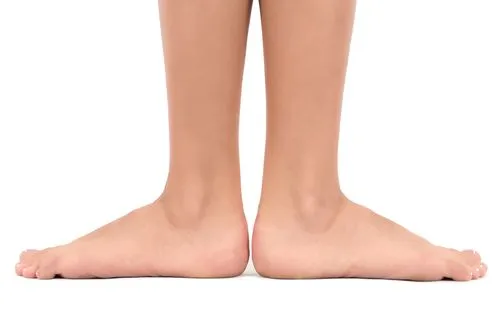
Flat Feet in Campbell, CA Serving San Jose & Los Gatos, CA
At the office of Douglas S. Robinson, DPM, FAAPSM in Campbell, CA, many patients visit with lingering questions about flat feet and how this common condition can influence comfort, stability, and overall foot function. Flat feet, often noticeable when the arches appear low or fully collapsed, can alter the way the foot absorbs shock and supports the body. While some individuals never experience discomfort, others may struggle with steady soreness, shifting gait patterns, or swelling that subtly interferes with daily activities. Understanding why flat feet develop and how they can be managed can help patients feel more confident about seeking care when symptoms begin to surface.
How Flat Feet Form and Why They Cause Discomfort
Flat feet often begin in childhood when arches fail to develop fully, but they can also appear later in life due to repetitive strain, weakening tendons, or underlying conditions that affect the structure of the foot. When the arch collapses, the foot’s foundation becomes less efficient at distributing pressure. This can create an uneven chain reaction that travels up the legs, leading to tired ankles, achy knees, or persistent lower-back tension. Patients sometimes describe a slow, steady fatigue that worsens after long periods of standing, or a deep, dull ache that settles in the inner ankle. These subtle symptoms may seem small at first, but they can steadily progress if the feet are not properly supported.
Over time, untreated flat feet can cause the heel to roll inward, making the surrounding tendons and ligaments work harder. This structural strain often leads to inflammation and instability, especially during exercise or prolonged walking. Some patients also experience difficulty finding comfortable footwear, which can further aggravate the affected foot. Although flat feet are common, the underlying mechanics can be complex, making individualized evaluation essential for effective relief.
Supportive Solutions for Stabilizing the Feet
Podiatric care focuses on restoring balance, reducing pain, and improving mobility through personalized treatment. A comprehensive evaluation can help determine whether stiffness, tendon weakness, or joint misalignment is contributing to the collapse of the arch. Many patients benefit from custom orthotic devices designed to enhance stability and guide the foot into a more natural alignment. These supportive inserts help redistribute pressure and soften the strain placed on overworked tendons.
In addition, targeted stretches and strengthening movements may help improve flexibility and reinforce the muscles that support the arch. Thoughtful footwear recommendations can also make a significant difference by offering adequate structure and cushioning. When discomfort becomes persistent or when daily activities begin to feel burdensome, early intervention can prevent worsening symptoms and protect long-term foot health. With proper guidance, many patients find meaningful relief and regain confidence in their mobility.
