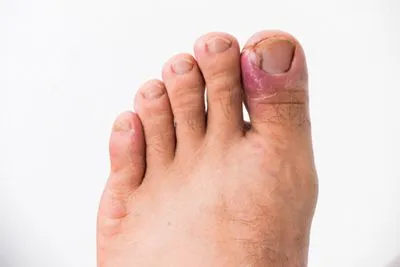
Ingrown toenails are a common foot condition that can cause significant discomfort and interfere with daily activities. They occur when the edge of a toenail grows into the surrounding skin, leading to irritation and inflammation. At the office of Douglas Robinson, DPM, in Campbell, CA, patients receive thorough evaluation and individualized care to relieve pain and prevent ongoing complications related to ingrown toenails.
Common Causes of Ingrown Toenails
Ingrown toenails often develop when nails are trimmed too short, cut at an angle, or rounded at the edges. This allows the nail to grow into the surrounding skin rather than straight outward. Wearing tight or narrow shoes that place pressure on the toes can also increase the risk.
Foot injuries, repetitive stress from physical activity, and genetic nail shape may contribute to this condition. Some individuals naturally have curved or thickened toenails, making them more prone to ingrowth. Poor foot hygiene and improper nail care can further increase the likelihood of developing painful symptoms.
Symptoms That Signal an Ingrown Toenail
Early signs of an ingrown toenail may include redness, tenderness, and mild swelling along the edge of the nail. As the condition progresses, pain may increase, especially when walking, wearing shoes, or applying pressure to the affected toe.
In more advanced cases, the area may become warm, swollen, or begin to drain fluid, indicating possible infection. Some patients notice thickened skin or persistent soreness that does not improve with basic home care. Ongoing discomfort or signs of infection should be evaluated by a foot and ankle specialist.
Diagnosis and Treatment Options
Proper diagnosis helps determine the severity of the ingrown toenail and whether infection or tissue damage is present. Dr. Robinson performs a detailed examination of the affected toe and reviews contributing factors such as footwear, nail care habits, and medical history.
Treatment depends on the extent of the condition. Mild cases may be managed with professional trimming, soaking, and protective padding. More persistent or painful ingrown toenails may require a minor in-office procedure to remove part of the nail and relieve pressure on the surrounding skin.
In cases of recurrent ingrown toenails, a permanent correction procedure may be recommended to prevent future regrowth. Early treatment helps reduce pain, speed healing, and lower the risk of infection.
Preventing Future Ingrown Toenails
Preventing ingrown toenails begins with proper nail care. Nails should be trimmed straight across and kept at a moderate length. Avoid cutting them too short or rounding the corners. Wearing well-fitted shoes with adequate toe room helps reduce pressure on the toenails.
Maintaining good foot hygiene, keeping feet clean and dry, and protecting the toes from injury also support long-term foot health. Patients with diabetes, circulation issues, or nerve problems should receive regular foot evaluations to prevent complications.
Expert Ingrown Toenail Care in Campbell, CA
Ingrown toenails should not be ignored when pain, swelling, or infection interferes with daily life. At the office of Douglas Robinson, DPM, patients receive comprehensive care for ingrown toenails, from accurate diagnosis through personalized treatment planning. The practice proudly serves patients in Campbell, CA, and surrounding areas, including San Jose and Los Gatos.
To schedule an evaluation for ingrown toenail pain or infection, call (408) 370-3338 and take the next step toward improved comfort, healing, and confidence in movement.
Treatment For An Ingrown Toenail in Campbell, CA Serving San Jose & Los Gatos, CA
When a toenail is ingrown, it is curved and grows into the skin, usually at the nail borders (the sides of the nail). This “digging in” of the nail irritates the skin, often creating pain, redness, swelling, and warmth in the toe. It can sometimes be mistaken for a "Hang Nail."
If an ingrown nail causes a break in the skin, bacteria may enter and cause an infection in the area, which is often marked by drainage and a foul odor. However, even if the toe isn’t painful, red, swollen, or warm, a nail that curves downward into the skin can progress to an infection.
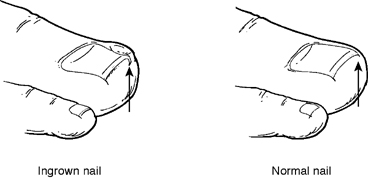
Causes Causes of ingrown toenails include:
- Heredity. In many people, the tendency for ingrown toenails is inherited.
- Trauma. Sometimes an ingrown toenail is the result of trauma, such as stubbing your toe, having an object fall on your toe, or engaging in activities that involve repeated pressure on the toes, such as kicking or running.
- Improper trimming. The most common cause of ingrown toenails is cutting your nails too short. This encourages the skin next to the nail to fold over the nail.
- Improperly sized footwear. Ingrown toenails can result from wearing socks and shoes that are tight or short.
- Nail Conditions. Ingrown toenails can be caused by nail problems, such as fungal infections or losing a nail due to trauma.
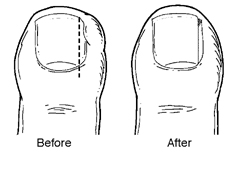 Treatment Sometimes initial treatment for ingrown toenails can be safely performed at home. However, home treatment is strongly discouraged if an infection is suspected, or for those who have medical conditions that put feet at high risk, such as diabetes, nerve damage in the foot, or poor circulation.
Home care: If you don’t have an infection or any of the above medical conditions, you can soak your foot in room-temperature water (adding Epsom’s salt may be recommended by your doctor), and gently massage the side of the nail fold to help reduce the inflammation.
Avoid attempting “bathroom surgery.” Repeated cutting of the nail can cause the condition to worsen over time. If your symptoms fail to improve, it’s time to see a foot and ankle surgeon.
Physician care: After examining the toe, the foot and ankle surgeon will select the treatment best suited for you. If an infection is present, an oral antibiotic may be prescribed.
Sometimes a minor surgical procedure, often performed in the office, will ease the pain and remove the offending nail. After applying a local anesthetic, the doctor removes part of the nail’s side border. Some nails may become ingrown again, requiring removal of the nail root.
Following the nail procedure, a light bandage will be applied. Most people experience very little pain after surgery and may resume normal activity the next day. If your surgeon has prescribed an oral antibiotic, be sure to take all the medication, even if your symptoms have improved.
Preventing Ingrown Toenails Many cases of ingrown toenails may be prevented by:
- Proper trimming. Cut toenails in a fairly straight line, and don’t cut them too short. You should be able to get your fingernail under the sides and end of the nail.
- Well-fitted shoes and socks. Don’t wear shoes that are short or tight in the toe area. Avoid shoes that are loose, because they too cause pressure on the toes, especially when running or walking briskly.
What You Should Know About Home Treatment
- Don’t cut a notch in the nail. Contrary to what some people believe, this does not reduce the tendency for the nail to curve downward.
- Don’t repeatedly trim nail borders. Repeated trimming does not change the way the nail grows, and can make the condition worse.
- Don’t place cotton under the nail. Not only does this not relieve the pain, it provides a place for harmful bacteria to grow, resulting in infection.
- Over-the-counter medications are ineffective. Topical medications may mask the pain, but they don’t correct the underlying problem.
